How to deep clean a mattress at home?
Wondering why you are waking up every morning sneezing with a tickle down your throat? There might be a very good reason for this: Your mattress needs some serious cleanup! In this article, we will provide some ways of cleaning your mattresses to keep them clean and free from germs and allergens.

Why should you deep clean your mattress?
We wash our clothes frequently even if there aren’t any visible stains on the outside. This is because sweat, oil, dead skin etc. from your body can cause your clothes to get dirty. Similarly, you stay in contact with your mattress for a minimum of 7-8 hours everyday; which means dust builds up and dirt seeps into it with time. And if you’re a procrastinator, the dirt can really cause your allergies to act up and the colour of your fresh mattress can turn dirty and dull. We don’t want that, do we?
It's not just dust, either. A warm mattress holds onto dead skin and moisture, and that makes it an ideal home for dust mites, the tiny creatures behind a lot of allergy and asthma flare-ups. Their droppings, along with the bacteria that build up from sweat and skin over time, are a common cause of that morning sneezing, itching and blocked nose. Deep cleaning regularly keeps dust mites, allergens and bacteria in check, so the surface you sleep on stays healthier as well as fresher. This matters even more if anyone in the house has allergies, asthma or sensitive skin.
Now that we know ‘what can happen’, let’s talk about ‘what can be done’ about it.
The best way to increase the longevity of your mattress is by cleaning it regularly, instead of cleaning it once in a while. This is because with time, as mentioned earlier, the dirt can seep into the mattress and it is very difficult to deep clean because of the varied layers of materials like wool, cotton, bamboo fibres etc. used to create adequate support for the user.
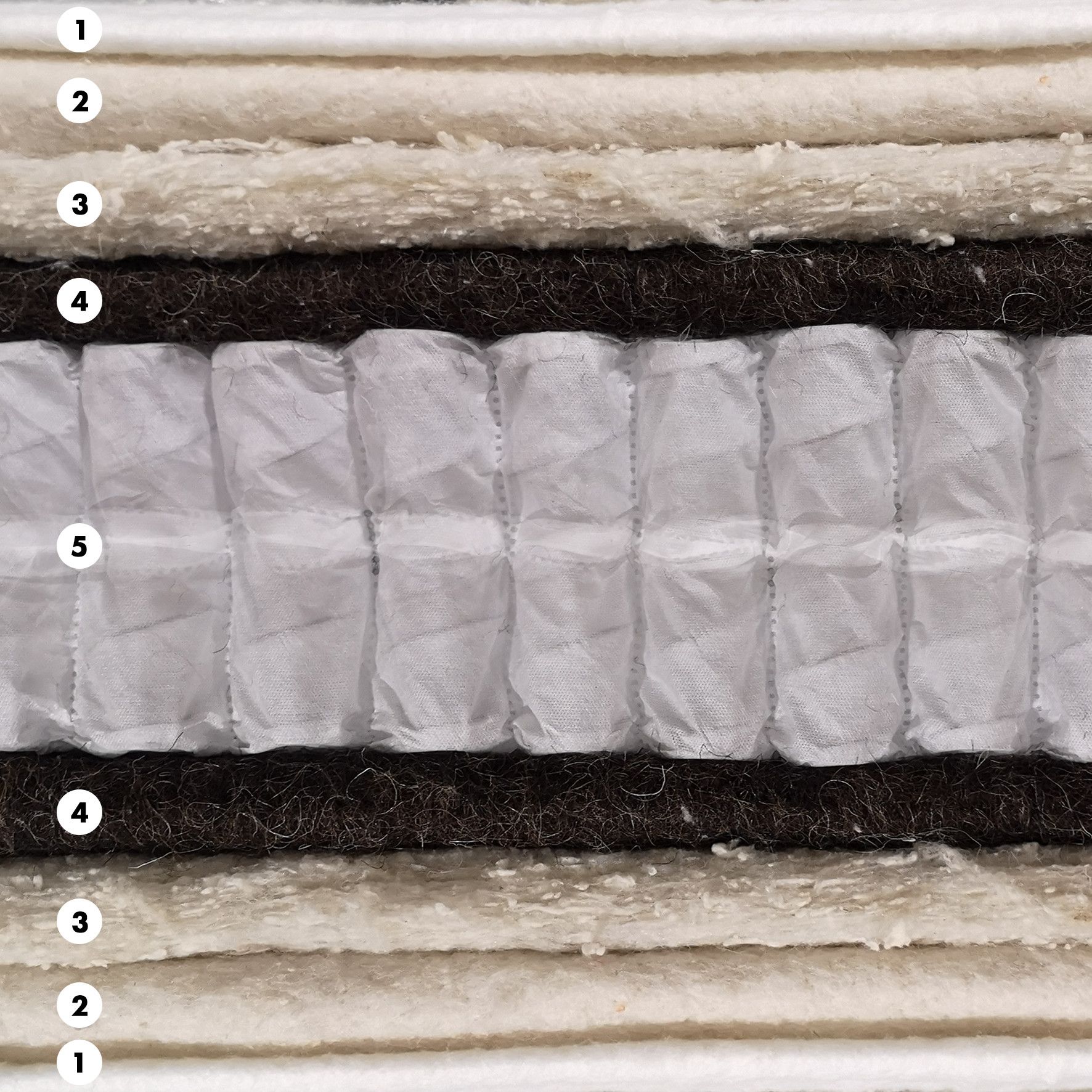
Mattress: Juno Cashmere
We have listed a few ways you can clean our mattress and keep it stain and odour free. It’s important to check the care guide for your specific mattress, but these steps should work with most mattresses.
1. Vacuum your mattress
Use a vacuum cleaner to remove any dust on the surface. To get the dirt out from beneath the surface, press down the vacuum with the upholstery attachment on the surface and clean out the top and sides thoroughly. Use the crevice attachment for cleaning out the seams and crevices.
For people who suffer from allergies, there are vacuums with HEPA filtration systems that are considered really effective in capturing allergens and preventing them from getting into the surrounding air.
2. Air out your mattress
A lot of odours and dampness can simply be tackled by airing out your mattress. Leave the mattress in a well ventilated area without any linens for the day. This should refresh your mattress.
3. Wash your bedding and pillows
Wash your sheets, pillow cases, pillows, blankets and comforters regularly. Using mattress covers can help prevent stains seeping into them quickly. Your skin will thank you too!
4. Clean the Surroundings
Don’t forget to clean the gorgeous carpet secretly hiding icky stuff from your sight. Also clean under the bed, around the bed and any upholstered furniture in your bedroom.

5. Tackle any mattress stains
After vacuuming, you can spot-clean any stains. Stains can vary from general stains to more specific stains. We explain below how to tackle stains on your mattress.
How to clean stains from a mattress?
For general stains you should clean your mattress with an appropriate cleaner, like an upholstery fabric cleaner. A neat trick is to sift some baking soda on the top surface of the mattress every time you change sheets, let it sit there for a couple of hours and vacuum it up. This will help in soaking up odours and any bodily fluids. You can use enzyme based odour cleaners as well.
Make sure you don’t use too much water as it can spoil the mattress.
How to remove sweat stains from a mattress?
Sweat is one of the most common causes of those yellowish patches that build up over time. To tackle them, mix a little baking soda with a few drops of water into a paste, or make up a spray of one part white vinegar to two parts water. Lightly work it into the stain, leave it for around 30 minutes, then blot with a clean, damp cloth. For older, set-in sweat stains, an enzyme cleaner works best, as it breaks down the proteins in sweat that ordinary cleaners leave behind. Blot rather than rub, and always let the area dry fully before you make the bed. Go easy on the moisture, as too much water can seep into the fillings.
How to clean oil stains from a mattress?
Use an aerosol based grease solvent spray instead of a liquid based to prevent getting the mattress too wet.
How to get blood stains out of a mattress?
Use a stain remover or upholstery cleaner, and follow it up with a cloth soaked in cold water. Ensure you thoroughly wring the cloth or the water may enter the filling area under the fabric and cause problems.
How to clean urine from a mattress?
Use a sponge with a warm solution of mild detergent or upholstery shampoo followed by cloth soaked in cold water and wrung properly. You can also use a mix of one cup of 3% hydrogen peroxide with two tablespoons of baking soda and a few drops of dishwashing liquid in a spray bottle. Use a toothbrush to spread and then mist the area a little. Wipe it with a clean damp cloth.
6. Flip your mattress
Flip the mattress over every 5-6 months to help keep its shape. Many mattresses nowadays cannot be used on the flip side, so it is best to check the manufacturer’s instructions before purchase. Some also recommend rotating the mattress from head to foot.
7. Dry your mattress
You can dry the mattress outdoors if possible. You can also use a fan to speed up the drying time. Ensure that the mattress is dry before you put the sheets on.
Getting the mattress fully dry matters more than people realise, as any moisture left in the fillings can lead to mould, mildew and a musty smell. Airflow is what does the work. Stand the mattress on its side or prop it up so air can reach both faces, and open the windows or set up a fan to keep the air moving across it rather than letting it sit still. If you can get it outside, a few hours in direct sunlight helps enormously. Sunlight speeds up drying and its UV rays also help kill off bacteria and dust mites at the same time. Just avoid leaving it out for days at a time or in strong sun repeatedly, as too much can weaken natural fibres.
As a rough guide, allow at least 2 to 4 hours of drying for a lightly damp mattress, and a full day for anything that's been spot-cleaned with more moisture.
Always check the surface is completely dry to the touch, and the fillings underneath feel dry too, before you put bedding back on.
8. Steam clean your mattress
If you have a garment steamer, you can also use it to steam out your mattress. Hold the nozzle as close to the fabric as possible without causing it to drip. It will kill mites. Follow up with a vacuum.
How to clean a memory foam mattress
Memory foam needs a gentler approach than a sprung mattress, because the one thing it really doesn't cope with is water. Foam soaks up moisture like a sponge and holds onto it deep inside, where it can't dry out properly and quickly turns to mould. So the golden rule with memory foam is to keep water to an absolute minimum.
Start by vacuuming the surface to lift dust and debris. For general freshening, sift baking soda over the top, leave it for a few hours to absorb odours, then vacuum it off.
For stains, a shaving foam trick works well and uses very little moisture. Dab a small amount of plain white shaving foam (not gel) onto the mark, let it sit for around 30 minutes, then gently wipe it away with a cloth barely dampened with cold water. Blot the area dry straight away with a clean towel.
Whatever method you use, let the foam air-dry completely before putting bedding back on. Never soak memory foam, and never put it in direct heat to dry, as this can damage the structure.
How to keep your mattress clean between washes
Deep cleaning is easier, and needed less often, if you keep on top of your mattress day to day. A few simple habits make a big difference.
Use a mattress protector. A good washable protector is the single best thing you can do. It sits between you and the mattress, catching sweat, spills, skin and dust before they ever reach the fillings, and it goes straight in the wash when it needs it. A breathable protector guards the mattress without trapping heat.
Wash your bedding weekly. Sheets, pillowcases and duvet covers pick up sweat and skin fast. Washing them once a week keeps that off the mattress and helps control dust mites and bacteria at the same time.
Head off problems before they start. Keep food and drink out of the bed where you can, air the mattress regularly by pulling the covers back for a while each morning, and deal with any spills the moment they happen rather than letting them soak in. Rotating the mattress every few months keeps wear even too.
Stay on top of these and your mattress stays fresher for far longer between deep cleans.
How often should you deep clean your mattress?
Mattress cleaning should be a part of your household chores list at least every month and more frequently if you suffer from allergies. This will also increase the life of your mattress. Try to remove liquid stains as quickly as possible. Stains of fruit juices, particularly ones made with blackcurrants, grapes etc. can leave a mark even after cleaning them multiple times.
Time to say goodbye to your old mattress?
Some people might ask, when should I replace my mattress? Do I follow the golden “8 year rule”?
We believe you should only replace your mattress when you really think it isn’t comfortable anymore or provides inadequate support.

If the condition of the mattress is such that it smells horrible, has stains that have sunk deep and just isn’t giving you the comfort you desire, it is time to switch it with a new one.
Lucky for you, we actually have a blog article on “how often should you change your mattress?”
We hope this article helped you in some way. You can check out our collection of Pocket Sprung Mattresses for a sweet sleep experience.
Frequently Asked Questions
Is it safe to use bleach on a mattress?
No. Bleach is too harsh for a mattress, and it can damage the fabric, discolour the surface and break down natural fillings. The fumes are also unpleasant to sleep on. For stains and odours, stick to gentler options like baking soda, diluted white vinegar or an enzyme cleaner instead.
How do I get rid of bed bugs in a mattress?
Start by stripping the bed and washing all bedding on the hottest wash it can take. Vacuum the mattress thoroughly, paying close attention to the seams and crevices where bed bugs hide, then empty the vacuum straight into an outdoor bin. Steam cleaning the surface helps, as the heat kills bugs and eggs. Seal the mattress in a bed bug encasement, and for a bad infestation, call a professional pest controller.
Related articles
- How often should I change my mattress?
- How to choose a mattress?
- Can my mattress sagging cause back pain?
- How to clean a metal bed frame?
- How to assemble a metal bed?
- Pocket spring mattress myths
- How often should I turn my mattress?
- Mattress firmness guide
- How much should you spend on a mattress
- How mattress warranties work