Archive for the ‘Sleeping Through the Ages’ Category

Cottage comforts and Country charm….

Saturday, February 27th, 2010

English Country Cottage

English Country Cottage

The image of the quintessential English country cottage is both endearing and enduring.

Whilst the stereotype pictured postcard village scene is often overplayed, few would deny the nostalgic appeal that our little rural communities evoke. In such settings the traditional cottage bedroom and the furniture therein is invariably comfortable and welcoming in keeping with the theme.

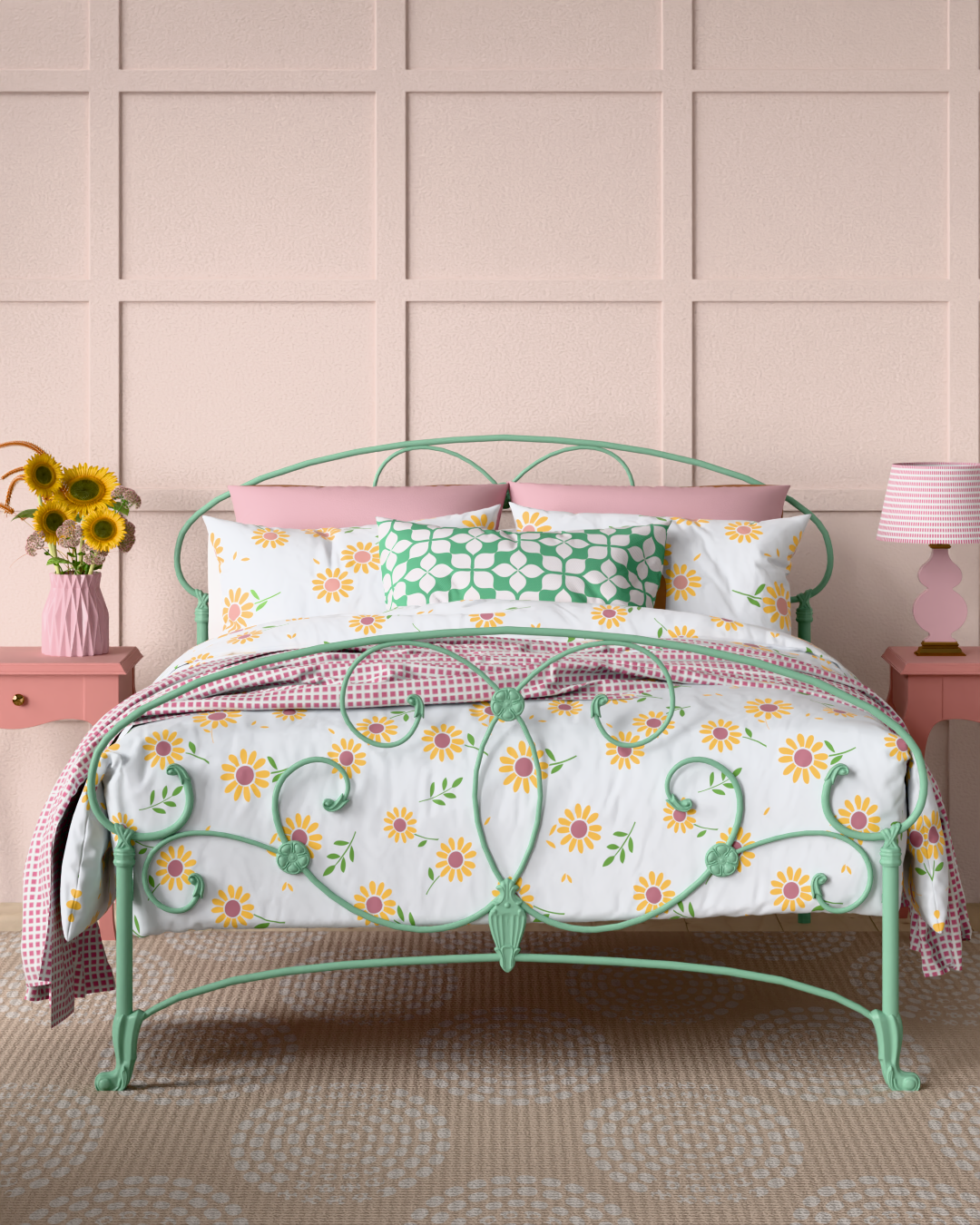
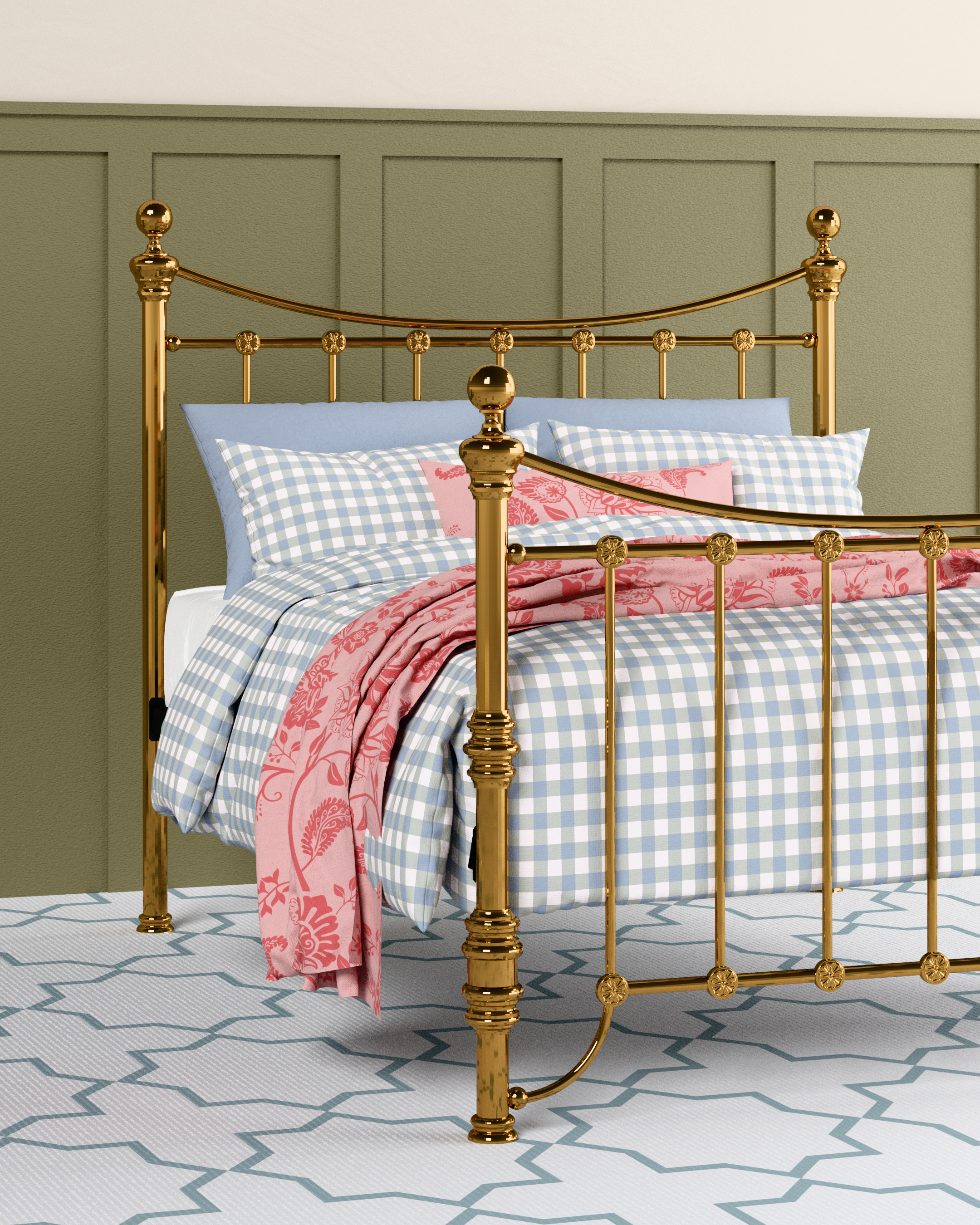
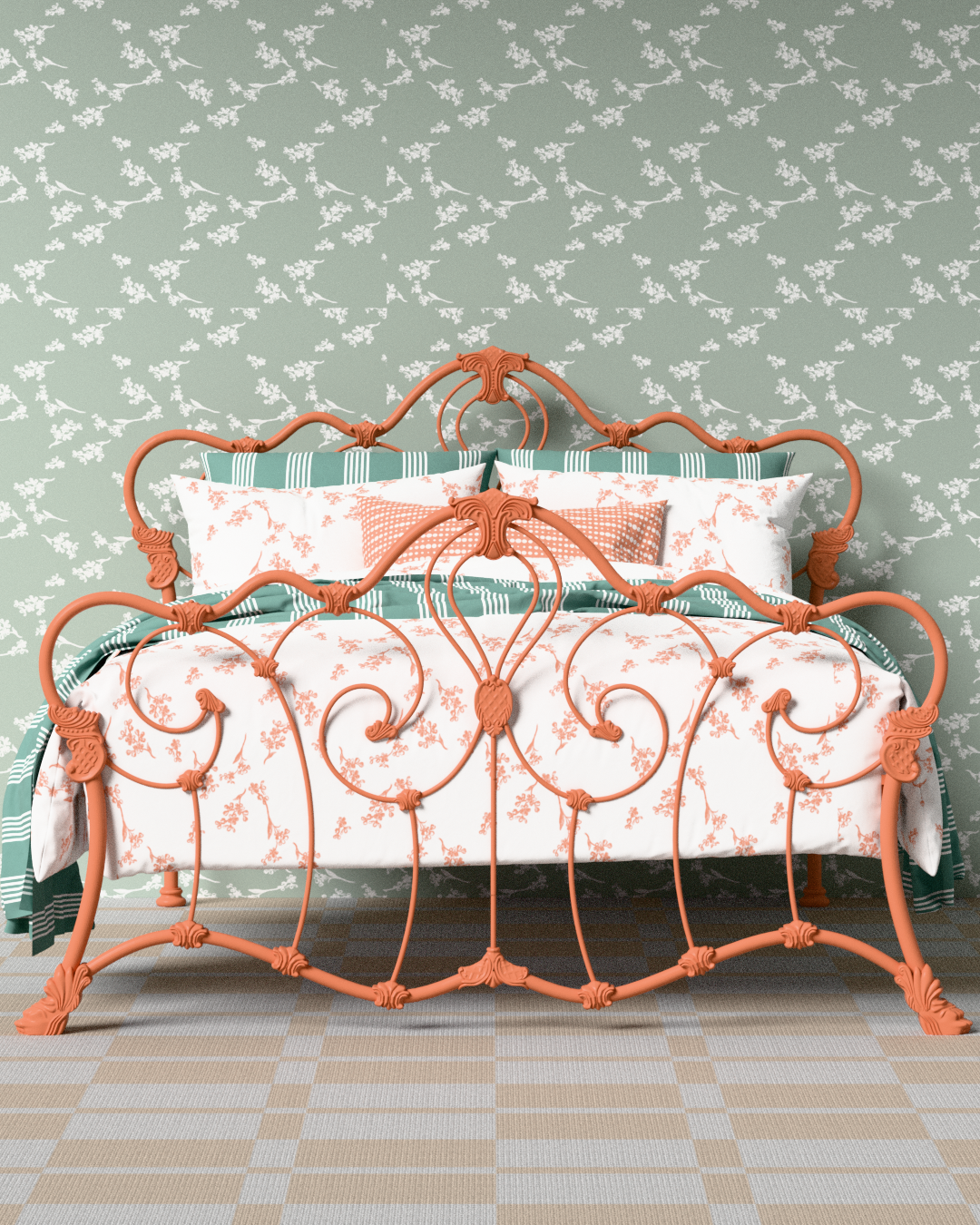
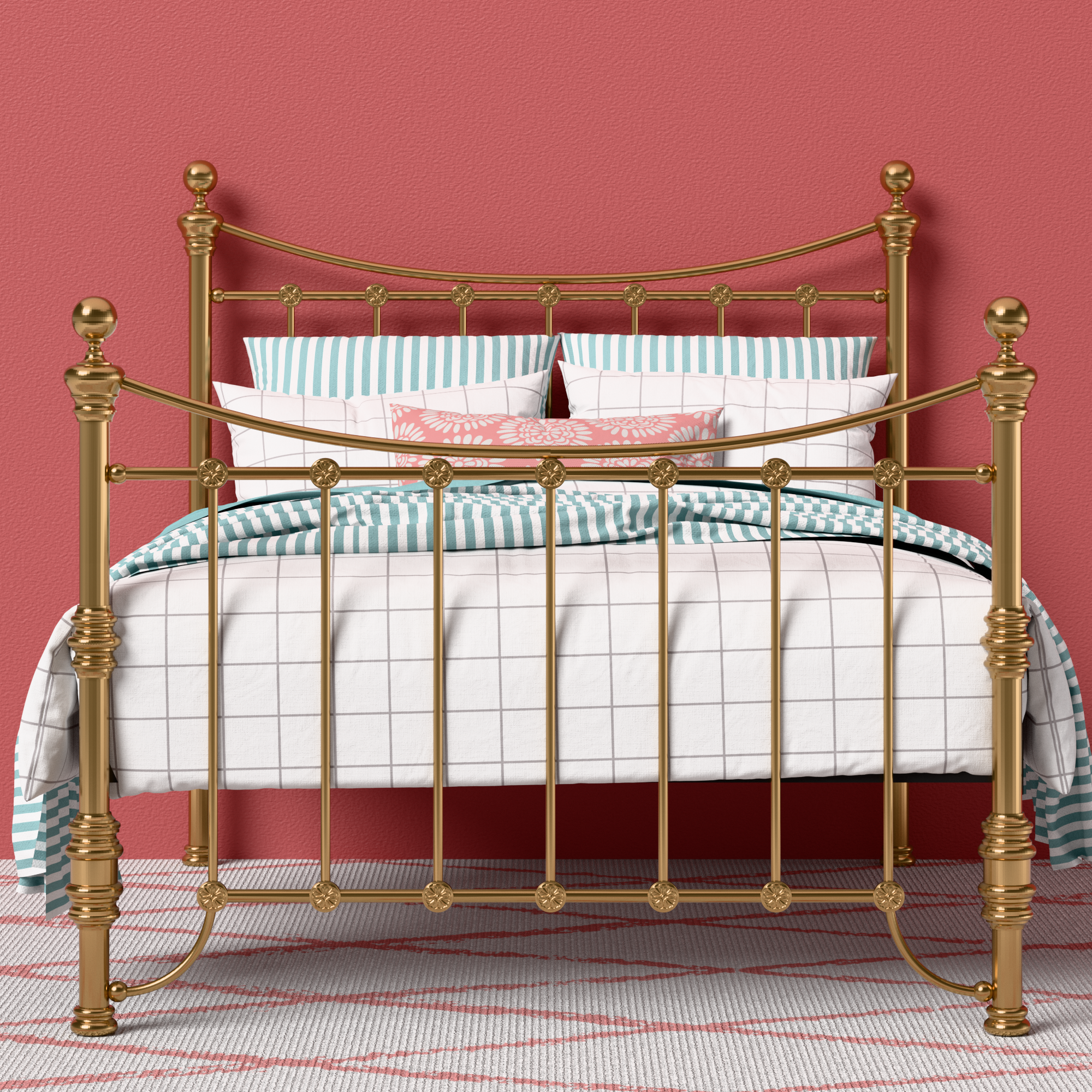
The rich textures and deep patinas of natural wooden beds are a natural partnership with the shabby chic of many old cottages and country homes as are traditional forged metal and polished or antique brass bedsteads. Indeed, since their rise to popularity at the end of the 19th century, these well-loved designs have enjoyed endless appeal.

Cast metal bedsteads in traditional styles particularly suit country schemes as their clean and inviting lines contrast with the quirky irregular contours and oak beams of old buildings. From its early peasant roots, the country bed was, of necessity, truly simple and modest.

Early wooden beds would have supported a functional Hessian sacking base or rows of tightly strung ropes or leather straps that supported a basic and invariably, uncomfortable mattress. Once iron and brass bedsteads became widespread and affordable within the more prosperous country home, they became popular for use for the serving staff in Spartan attic bedrooms.

The designs lacked decoration and embellishments and were accordingly very easy to maintain and keep clean as well as being largely free from the scourge of the bed bug, which had plagued previous generations!

(more…)

A brief history of the Mattress.

Saturday, February 20th, 2010

jasper-mattress

We probably take the word mattress for granted although few realise that it owes its origins to Arabic culture.

Indeed, during the earlier part of the Middle Ages, Arabic culture was more advanced than that of Europe. One of the amenities of life enjoyed by the Arabs was sleeping on cushions thrown onto the floor.

Derived from the word matrah, which meant “place where something is thrown”, and “mat, cushion”, this kind of sleeping style was adopted by the Europeans during the Crusades and the Arabic word was taken into Old Italian and subsequently into French (materas) from which is derived the Middle English word of the same spelling, first recorded in a work written about 1300. Our modern day word, like so many, is a corruption of those original interpretations and owes its origin to the Medieval Latin translation matracium.

Whilst arguably not the most emotive piece of domestic necessity, the mattress and its derivatives have been with us in one form or another since the dawn of mankind. Indeed from the available evidence, it seems pretty likely that the concept of the mattress originated during prehistoric times when piles of leaves, straw and animal skins would have provided a more comfortable sleeping solution to early humans than a simple hard surface. As the greater numbers of ancestors left behind a nomadic hunting existence in return for a more settled agrarian lifestyle, primitive furnishings, including the bed, began to develop.

(more…)

Sleeping in the modern age

Wednesday, January 13th, 2010
Bedroom Styles

Bedroom Styles

There can be little doubt that one of the benefits of living in the 21st century is that, in terms of bedroom style, we have never been spoilt with so much decorative choice and captivating design innovation. And whilst modern living might conjure images of contemporary minimalism, it need not be so.

Most would agree that that our preoccupation with contemporary design and an uncluttered approach to styling themes has had a significant effect on modern day bedrooms, and indeed, many architectural themes are perfectly suited to this philosophy. Yet many traditional bed designs can look strikingly modern in the correct setting, with basic contours that are perfectly suited to low maintenance settings and neutral colour themes.

Dark English oak and emotive Victorian Antique Brass are two such materials that simply come alive when sympathetically married to the minimal urban aesthetic. With clever lighting and inspired use of complementary accessories, some definitive results are possible as old and new come together with intriguing results. It is often a surprise to find that the Modernism trend is actually not modern at all but has deep roots that are linked to a period in design history almost a century old.

In fact today’s contemporary interiors often unknowingly pay homage to the style of the Machine Age and the early Modernist architects and designers, albeit with a different take on their maxims of function and simplicity. In clean-cut homes where technology has replaced artifice, and decorative nuances rely on simplistic texture and colour rather than pattern, the often elaborate period bedroom style has been replaced with a desire for calm minimalism and understated detail.

(more…)

“Sleeping under the stars….”

Monday, January 4th, 2010

The bed is the ultimate escape. A pocket of sanctuary for renewal, respite and romance.

Creating a hideaway where the bed becomes a self- contained haven, means that wherever you may be, and however small the sleeping area, it is possible to climb between sheets and be instantly transported to a quieter place in time.

When on the move or sleeping under the stars, the sensory effect is sharpened and as a way of reclaiming our links with nature and recapturing a simplicity of experience, it has little equal, although one which we all too rarely capture.

A hammock or tree house in the garden during balmy summer months can provide a wonderfully simple escape, whilst a flight of fancy exotic beachfront retreat with a basic platform bed under a canopy of palms and the sound of the sea, might be the ultimate tropical fantasy.

(more…)

“The Great Bed of Ware”

Monday, December 28th, 2009
The Great Bed of Ware

The Great Bed of Ware

I chanced upon this magnificent four-poster bed in The Victoria and Albert Museum whilst I found myself in London a week or so ago with a few hours to kill. And crikey…what fabulous monster of a bed this is! Surely the king of beds…!? For it measures approximately eleven feet square and is reputed to be able to accommodate 15 people sleeping together at the same time.

Originally built by Hertfordshire carpenter Jonas Fosbrooke circa 1590, we cannot be entirely sure for whom it was commissioned, although it spent its early years in The White Hart Inn at Ware in what must have been a sizeable bed chamber. Privileged travellers must have been somewhat taken aback at the grandeur of their nocturnal decadence and it seems likely that it might have attracted curiosity from far and wide. Certainly, many of those who slept in the bed over the years had carved their names into the enormous corner posts. Something of a lasting legacy still evident today.

(more…)

Brass bedsteads….a Victorian legacy

Thursday, December 10th, 2009
Lochranza Brass Bedstead from The original Bedstead Company

Lochranza Brass Bedstead

The Victorians first perfected the art of Brass Bed manufacture.

In fact, as long ago as the early 1840s this expressive metal had taken a grip on the hearts of the nation as affluent and aspirational customer of the time, clamoured for the inspired and evocative designs made possible by the dextrous use of brass and the innovation of the era.

As the Industrial Revolution inexorably continued, hundreds of iron and brass foundries enjoyed boom times across the British Isles as they catered for a nation that had embraced the Brass Bedstead revolution.

From the smallest factories producing only a few bespoke beds a week, to the largest, manufacturing on a grand scale, by far the highest concentration of plants were to be found in the industrial heartlands of the Midlands and Birmingham in particular. Here, skilled artisans worked with this opulent new metal to produce bedsteads of huge elegance and style.

Incorporating such elements as porcelain and mother of pearl into designs of often-immense detail and majesty, there are wealth of wonderful creations from this era that are still preserved and revered today. The Victorians liked to furnish their homes in style and often the most important piece of furniture within any lavish country home or elegant town house would have been the bed.

(more…)