Design File // [Feb 2026]
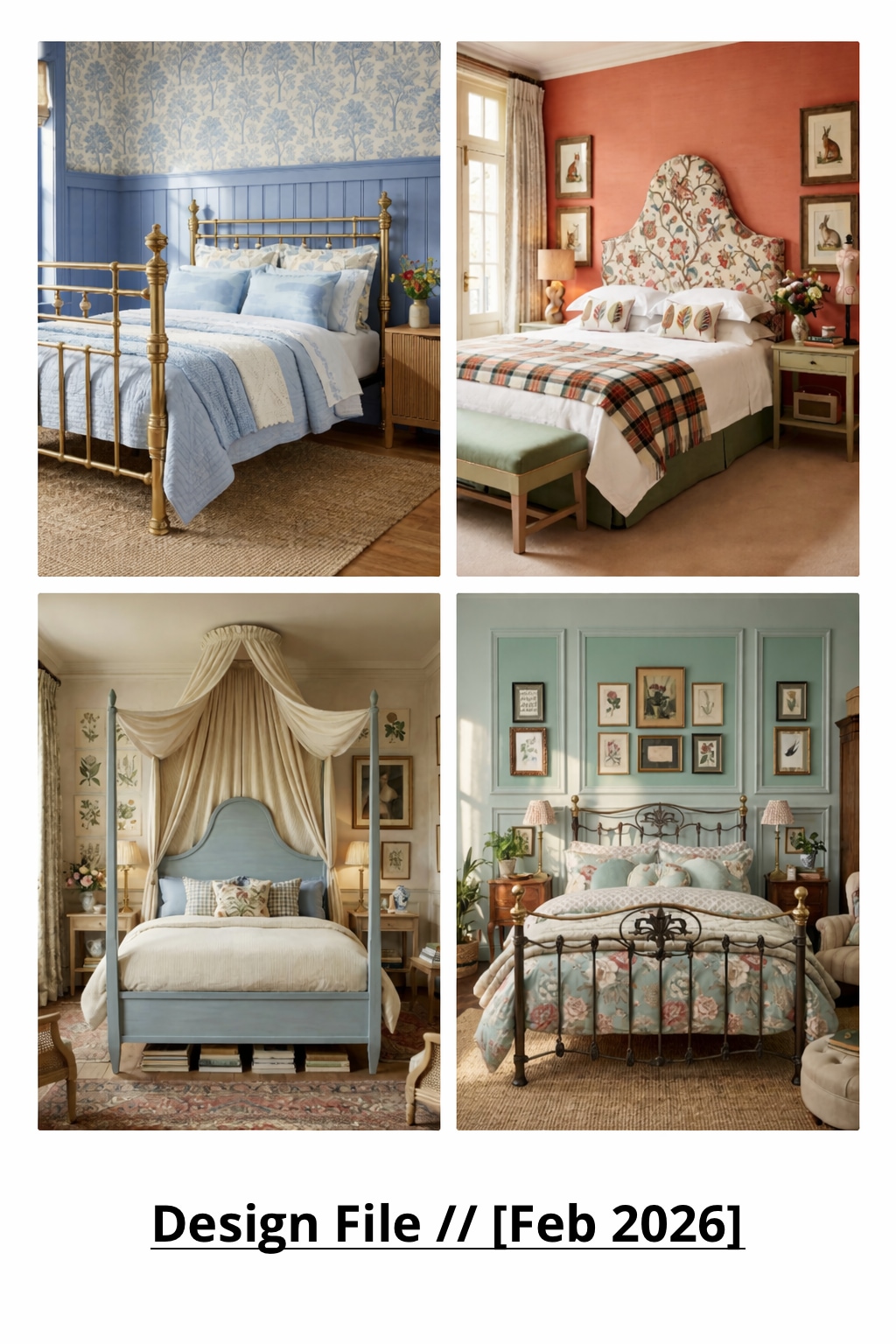
Explore our latest conceptual renderings for a quick viewing. We have envisioned these silhouettes to help you see the possibilities for your next project.
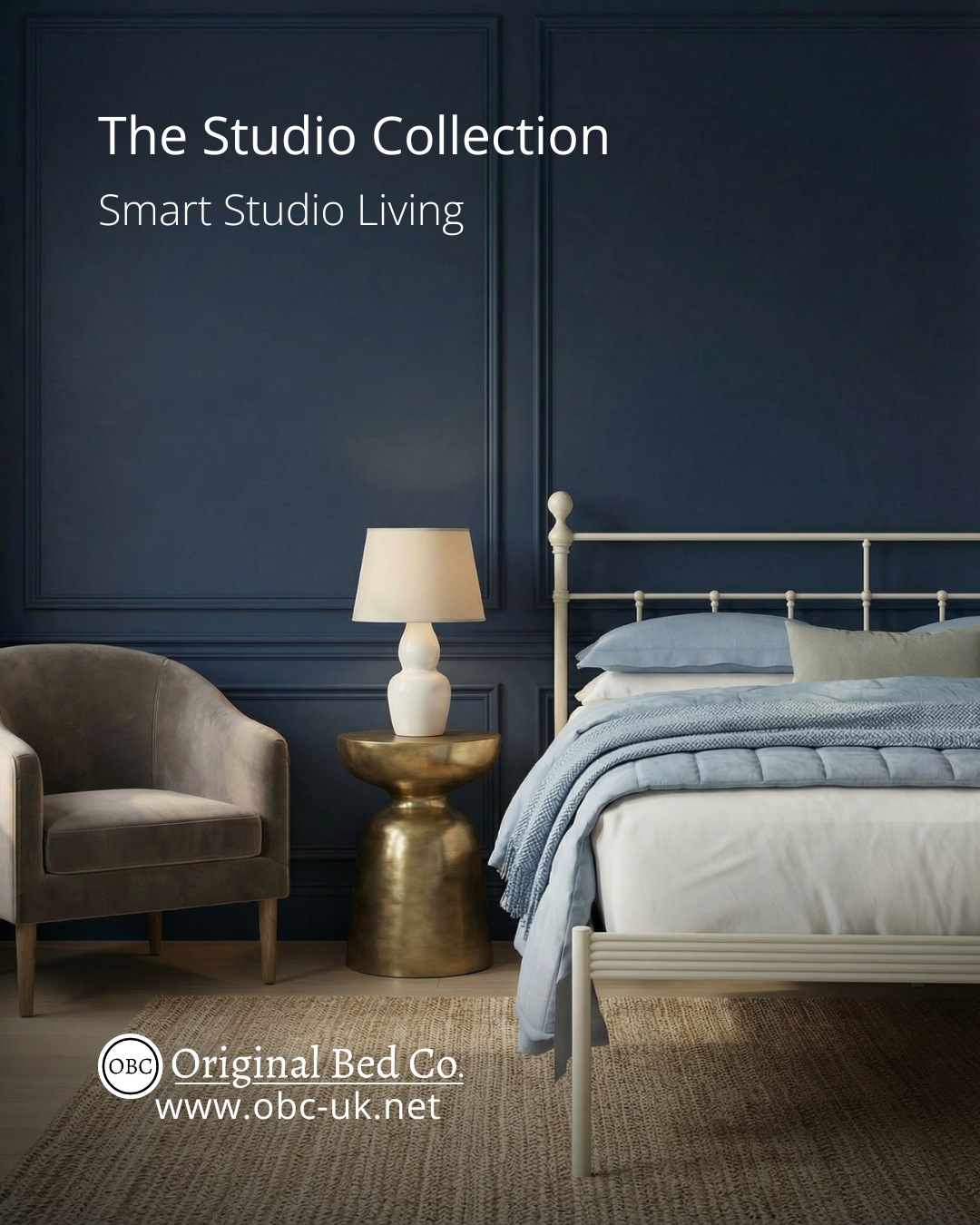
Introducing the Studio Collection
From our factory in India to homes worldwide. We’ve spent two decades perfecting our marketing, craft and logistics. Currently stocking and shipping directly to customers from our UK warehouse.

Pantone’s Colour of the Year: 2026 (Cloud Dancer)
We picked these three bedroom-ready tones because they cover the full “designer” range: light base (Cloud Dancer), warm mid-tone (Shifting Sand), and a deep anchor (Stretch Limo). They also sit inside Pantone’s own suggested palettes around Cloud Dancer, so they’re designed to work together.

Farrow & Ball’s 2026 Bedroom Colours
Farrow & Ball just launched 12 new colours for warmer bedrooms. Meet Naperon, Scallop and Reduced Green, plus 3 simple recipes to match your bed.
Nocturne N348: Tikkurila's Colour of the Year - 2025
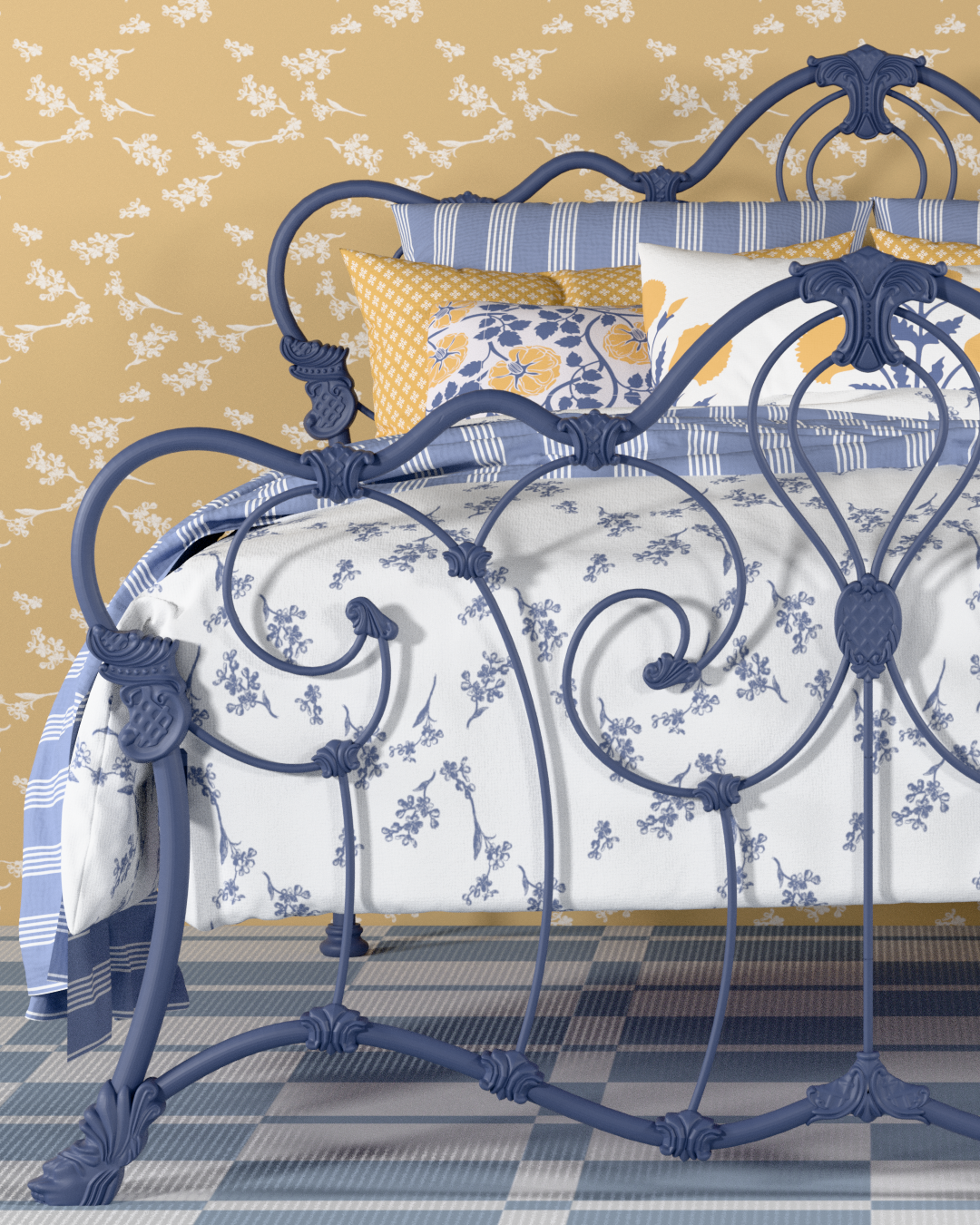
If you're seeking a paint colour that brings calm and sophistication into your space, look no further than Nocturne N348. This rich, deep blue is quickly becoming a favourite among interior designers and homeowners alike - especially for rooms designed to feel restful and grounding, like bedrooms, living rooms, and dining areas.
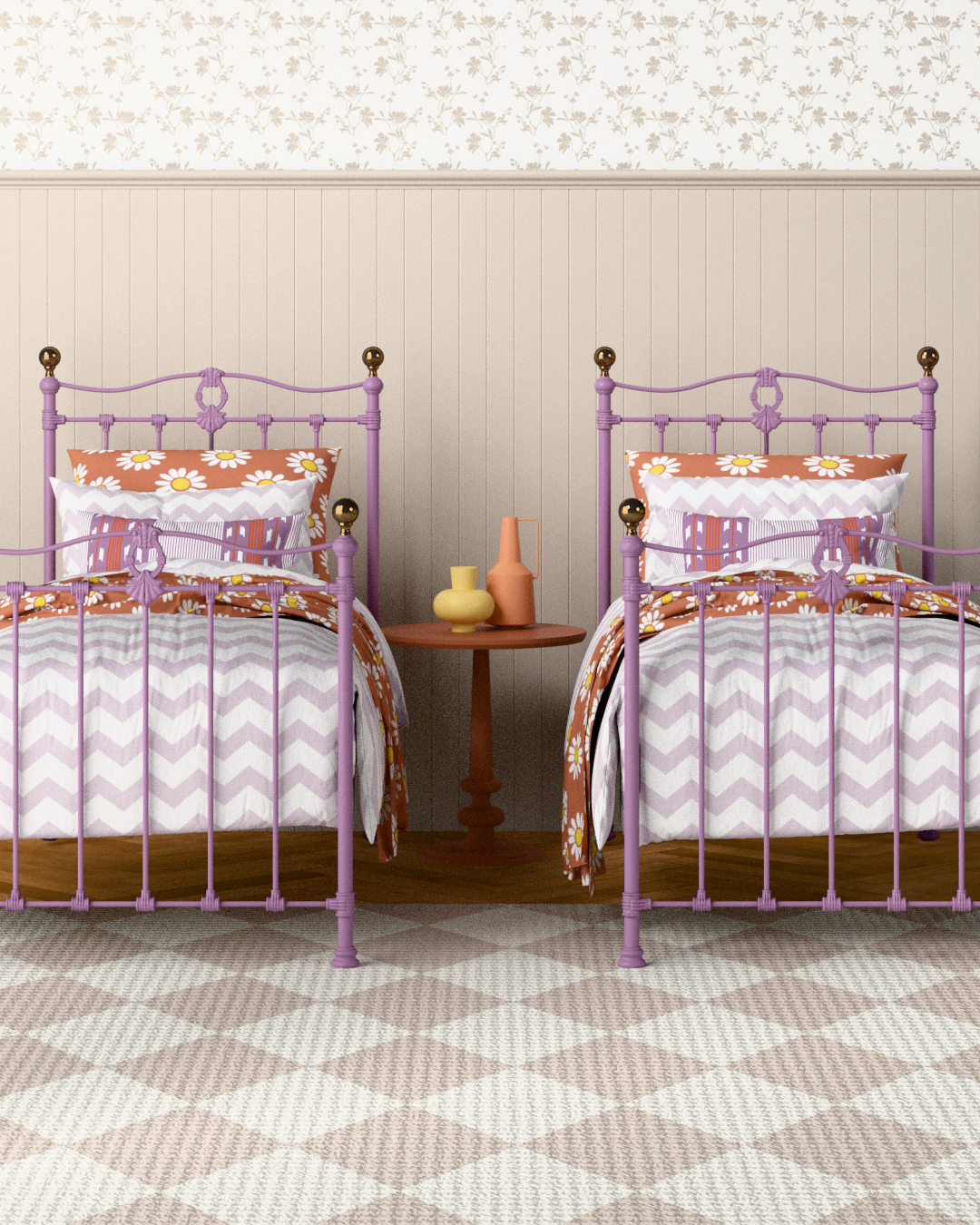
Why Shiitake Walls Are the New Neutral Bedroom Trend
Discover how Shiitake, a warm greige neutral, transforms bedrooms with timeless elegance. Explore color pairings, décor tips, and stylish inspirations for every mood.
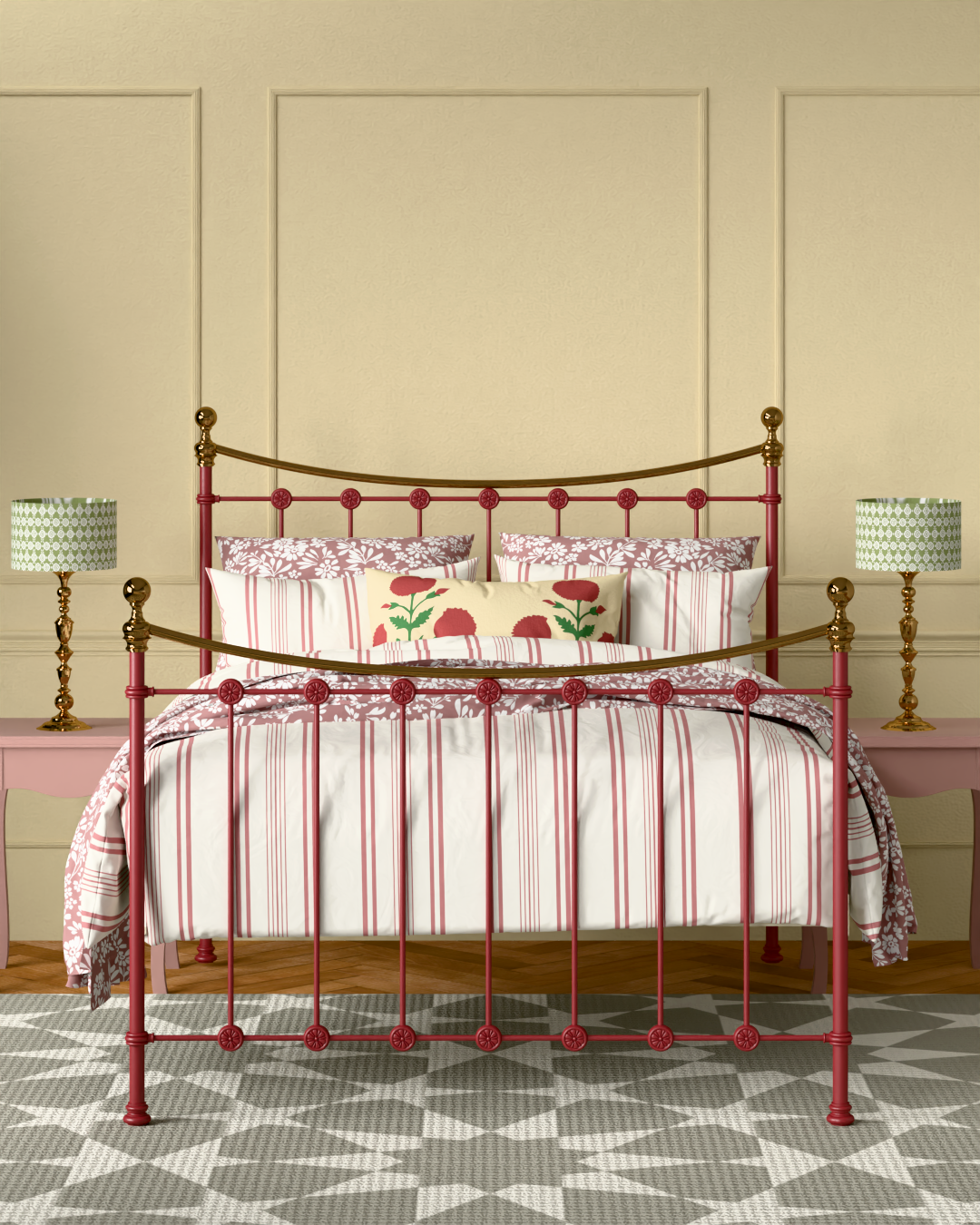
Butter Yellow Bedrooms that glow with warmth
Discover how butter yellow can transform your bedroom into a warm, light-filled haven. From subtle accents to full-wall color ideas, this guide will inspire you to create a space that radiates comfort and charm.
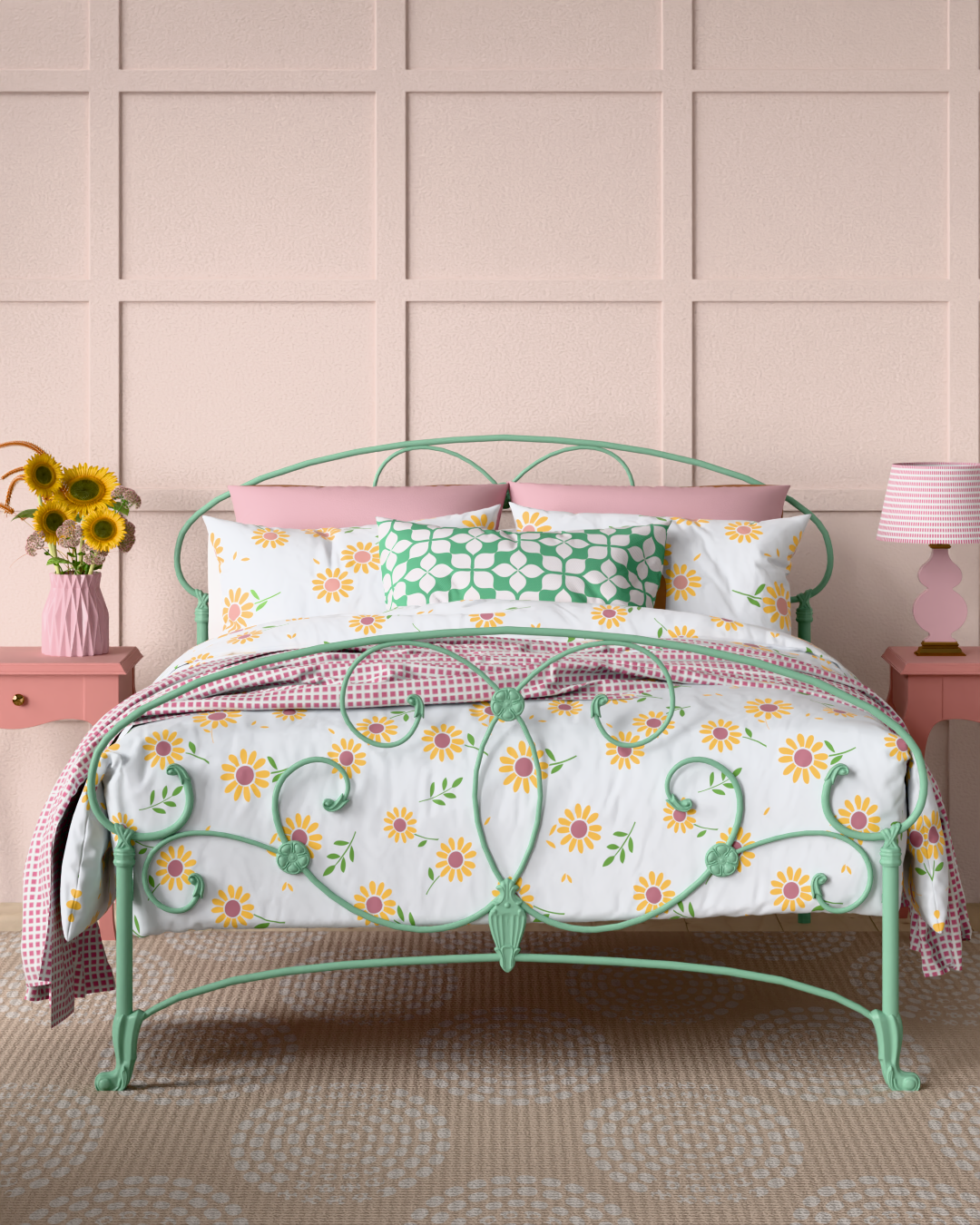
Chelsea Flower Show - 2025
Welcome to a blooming marvellous edition of our blog, where we bring the fresh beauty of the Chelsea Flower Show directly into your home - specifically, your bedroom! Here at The Original Bed Co., we're incredibly lucky to have our showroom on Kings Road, just a petal's throw from where the magic of the Chelsea Flower Show unfolds each year. This proximity got us thinking: why should all that floral inspiration stay confined to the showgrounds?
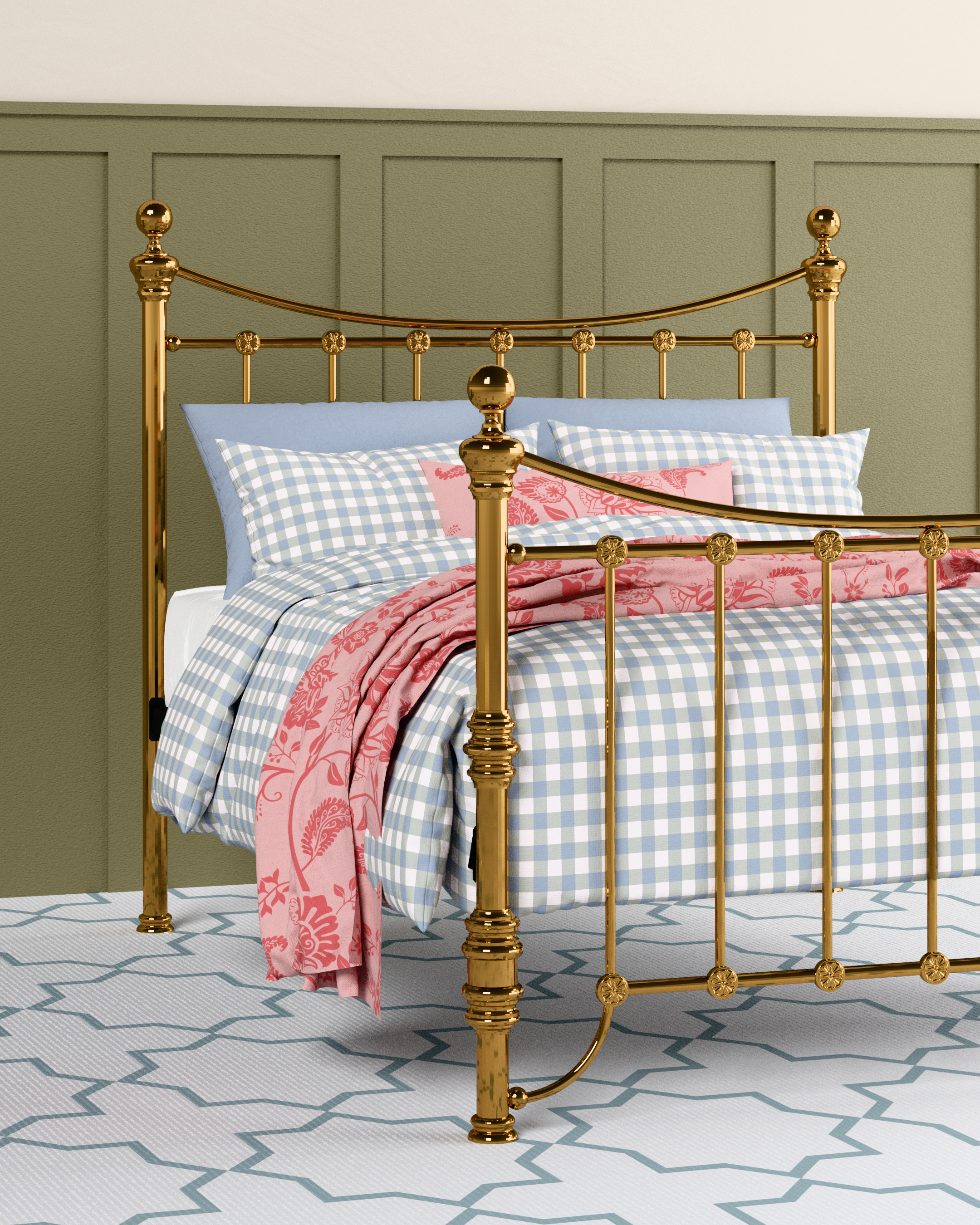
Green Bedroom Ideas
You might consider embracing green if you're seeking a space that feels peaceful and conducive to relaxation. It's a particularly lovely choice for those who crave a connection to the outdoors or desire a soothing sanctuary.
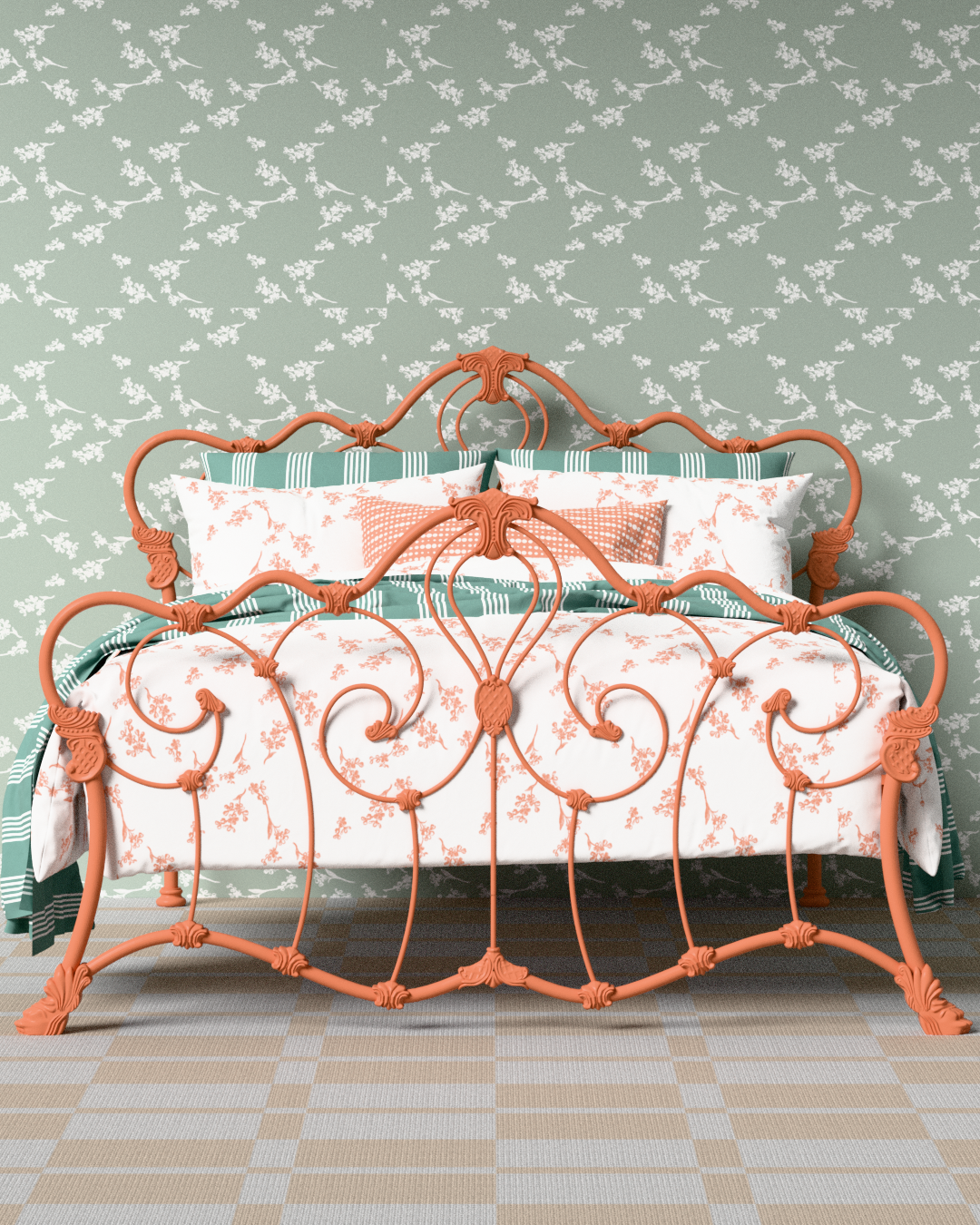
Caribbean Coral by Sherwin Williams
Caribbean Coral by Sherwin-Williams (SW 2854) is a warm, tropical-inspired coral hue that blends soft pink and orange undertones. It brings a vibrant yet calming energy to interiors, reminiscent of sunlit beaches and island sunsets.
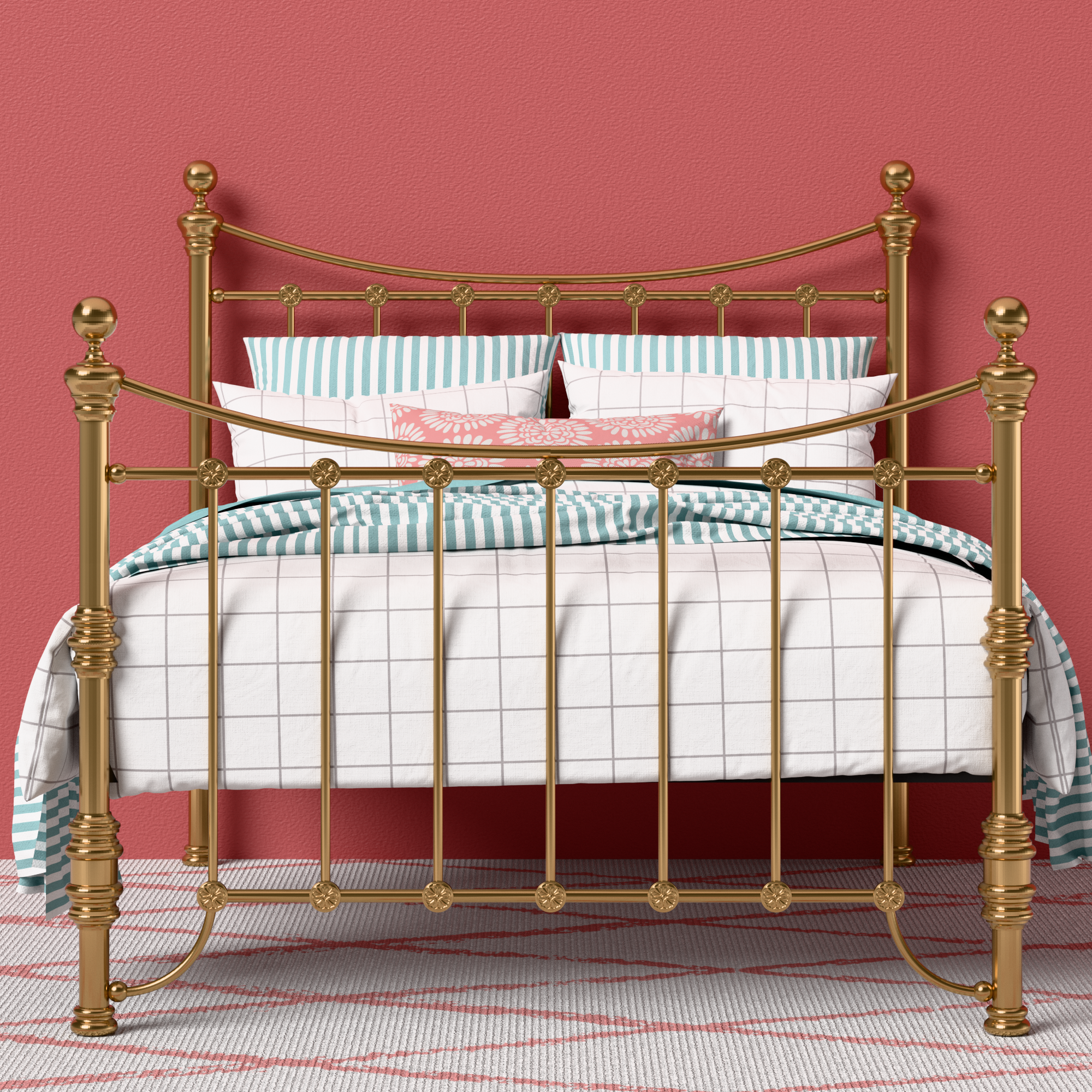
Unexpected Red Theory - How to use reds more effectively
According to @intayriors, adding a pop of red to any bedroom makes a room look more appealing. Taylor says we should treat reds as a neutral. Do you agree? Disagree?
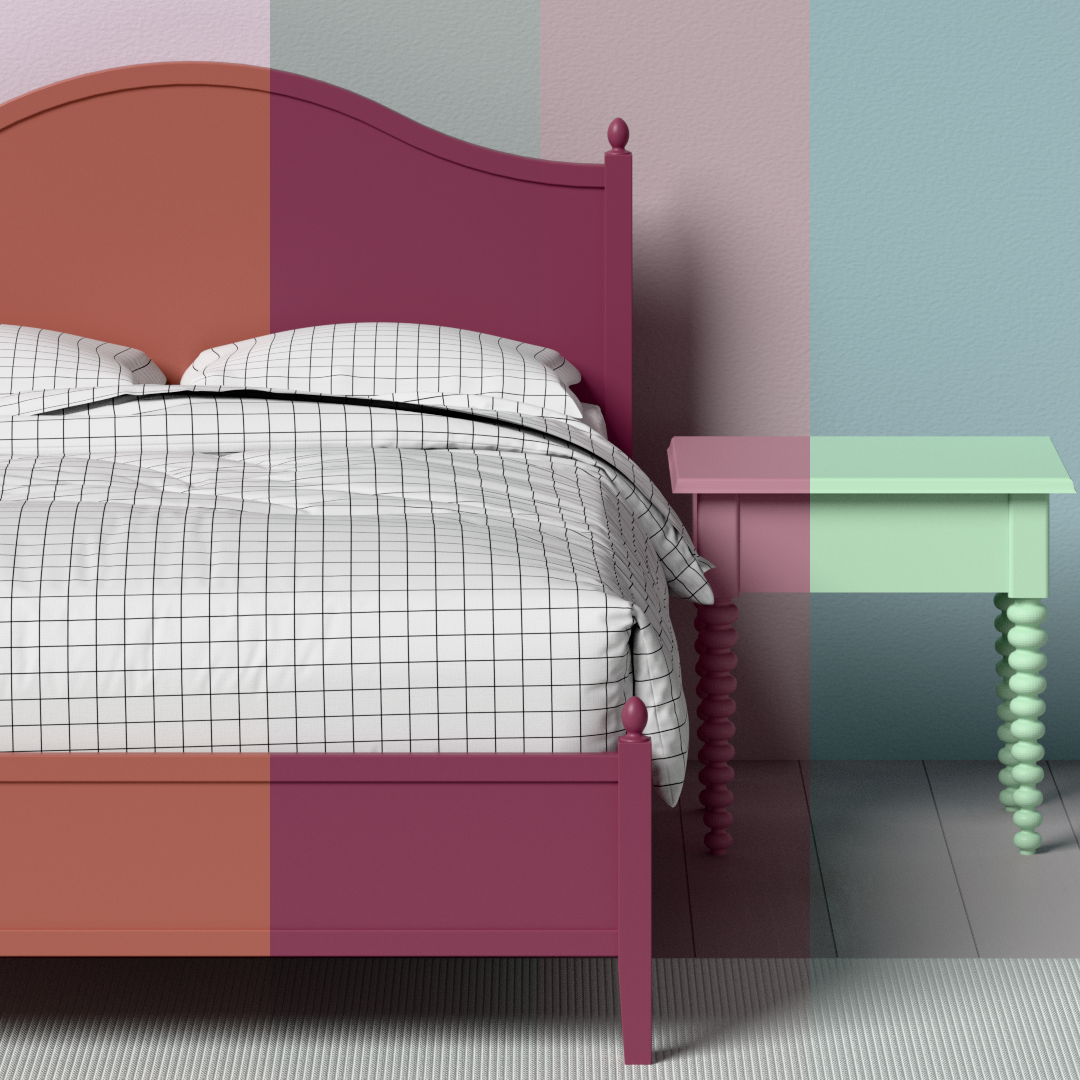
Our Colour System - Free Download
Download our tutorial and colour system to learn how to create better colour palettes.